Welcome to Delish Dish Tales
At Delish Dish Tales, we believe that every recipe has a story to tell. Our culinary journey began decades ago when our founder, Isabella, inherited a collection of handwritten recipes from her grandmother. These weren't just instructions for creating delicious meals; they were time capsules of family history, cultural traditions, and personal memories.
The original recipe book that started it all
What began as a personal passion project has evolved into a thriving community of food enthusiasts who appreciate the stories behind the dishes we love. Our team of chefs, food historians, and writers work tirelessly to research, test, and document recipes that not only taste incredible but also carry with them the richness of culinary heritage.
We're committed to preserving traditional cooking methods while also embracing innovation in the kitchen. Whether you're an experienced chef or a beginner just starting your culinary adventure, you'll find inspiration, education, and connection within our pages.
Food has a unique power to bring people together, to bridge cultural divides, and to create lasting memories. It's our honor to share these delicious dish tales with you, and we hope they inspire you to create your own culinary stories.
Signature Recipe: Grandma's Hearty Beef Stew
This cherished family recipe has been passed down through four generations. Originally created during the harsh winters of the early 1900s, this stew was designed to nourish and comfort using simple, readily available ingredients. Each component tells a part of our family's story—from the paprika that reflects our Hungarian heritage to the slow-cooking method that honors our farming ancestors who needed meals that could simmer unattended while they worked the fields.

A steaming pot of our signature beef stew
Ingredients
- 3 pounds beef chuck, cut into 1-inch cubes
- 2 teaspoons sea salt, plus more to taste
- 1 teaspoon freshly ground black pepper
- 3 tablespoons olive oil
- 2 medium onions, chopped
- 4 cloves garlic, minced
- 3 tablespoons tomato paste
- 1/2 cup red wine (optional, but recommended)
- 6 cups beef stock
- 2 bay leaves
- 1 teaspoon paprika
- 1/2 teaspoon dried thyme
- 4 large carrots, peeled and cut into 1-inch pieces
- 4 medium potatoes, peeled and cut into 1-inch cubes
- 3 celery stalks, cut into 1/2-inch pieces
- 2 tablespoons chopped fresh parsley for garnish
Instructions
- Pat the beef cubes dry with paper towels and season generously with salt and pepper.
- In a large Dutch oven or heavy-bottomed pot, heat 2 tablespoons of olive oil over medium-high heat. Working in batches to avoid overcrowding, brown the beef on all sides, about 5-7 minutes per batch. Transfer browned beef to a plate and set aside.
- Reduce heat to medium and add the remaining tablespoon of olive oil. Add the onions and cook until softened, about 5 minutes. Add the garlic and cook for another minute until fragrant.
- Stir in the tomato paste and cook for 1-2 minutes until it darkens slightly. This step deepens the flavor of the entire stew.
- If using wine, pour it into the pot and scrape up any browned bits from the bottom. Allow it to reduce by half, about 2-3 minutes.
- Return the browned beef to the pot along with any accumulated juices. Add the beef stock, bay leaves, paprika, and thyme. Bring to a boil, then reduce heat to low, cover, and simmer gently for 1.5 hours.
- Add the carrots, potatoes, and celery to the pot. Continue to simmer, covered, for another 45 minutes to 1 hour, or until the vegetables are tender and the meat is fork-tender.
- Taste and adjust seasoning with additional salt and pepper if needed. Remove bay leaves before serving.
- Ladle the stew into bowls, garnish with fresh parsley, and serve with crusty bread for dipping.
This stew tastes even better the next day, as the flavors continue to meld and develop. If possible, make it a day ahead and gently reheat before serving. The slow cooking process is key to developing the deep, rich flavors that make this stew so special. Don't rush it—allow the ingredients time to get to know each other in the pot.
Over the years, we've discovered that the secret to this recipe isn't just in the ingredients or technique, but in the love and patience poured into it. It's been the centerpiece of countless family gatherings, comforted friends during difficult times, and celebrated milestones with joy. We hope it becomes a cherished part of your culinary story too.
Essential Cooking Tips & Techniques
Becoming a confident cook involves mastering fundamental techniques and understanding the principles behind them. Here we share the wisdom gathered from generations of home cooks and professional chefs.
The Foundation of Flavor: Building a Good Sauce
Many cuisines around the world begin their dishes with a flavor base. In French cooking, it's mirepoix (onions, carrots, and celery). In Italian cuisine, it's soffritto (onions, carrots, and celery sautéed in olive oil). The Cajun holy trinity consists of onions, celery, and bell peppers. Understanding how to build these foundations will transform your cooking.

Fresh herbs can elevate any dish
When sautéing your aromatics, patience is key. Cook them slowly over moderate heat until they soften and sweeten rather than brown. This gentle cooking allows their flavors to meld and creates a sophisticated depth that can't be achieved through rapid cooking.
Knife Skills: The Cornerstone of Efficient Cooking
Proper knife skills are about more than just cutting ingredients—they affect cooking time, texture, and even flavor distribution. A sharp knife is safer than a dull one because it requires less pressure and is less likely to slip.
Learn the basic cuts: brunoise (small dice), julienne (matchsticks), and chiffonade (ribbons for herbs). Consistent sizing ensures even cooking. Practice the claw grip to protect your fingers: curl your fingertips inward and use your knuckles as a guide for the knife.

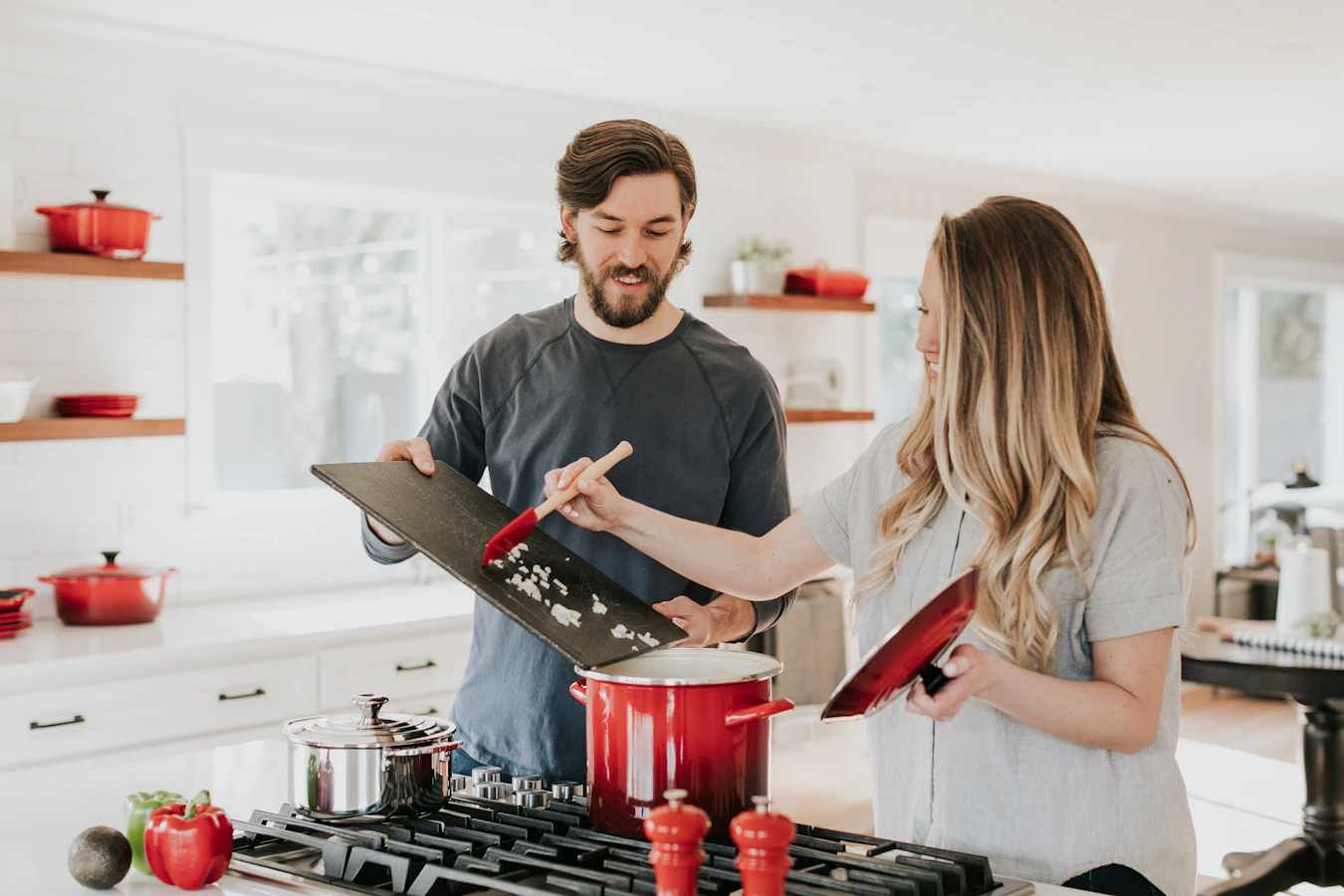
Proper technique ensures safety and consistency
The Maillard Reaction: Why Browning Equals Flavor
That beautiful brown crust on seared meat, roasted vegetables, and toasted bread isn't just visually appealing—it's packed with flavor. The Maillard reaction is a chemical process that occurs when amino acids and reducing sugars are heated, creating hundreds of new flavor compounds.
To achieve proper browning, ensure your ingredients are dry before cooking, don't overcrowd the pan (which causes steaming instead of browning), and be patient—don't move food around too much while it's browning. This simple technique can elevate your dishes from good to extraordinary.
Balancing Flavors: The Key to Memorable Meals
Great cooking is often about balance. The five basic tastes—sweet, salty, sour, bitter, and umami—should work in harmony. If a dish tastes flat, it might need a pinch of salt to enhance flavors. If it's too rich, a splash of acidity (lemon juice or vinegar) can brighten it. A touch of sweetness can round out sharp or acidic components.
Learn to taste as you cook and adjust seasonings gradually. Remember that ingredients reduce and concentrate as they cook, so it's often best to season lightly at the beginning and adjust at the end.
These foundational techniques have been passed down through generations of cooks across cultures. Mastering them will give you the confidence to not just follow recipes, but to create your own culinary masterpieces.
The Story Behind the Stew
Every family has that one recipe that seems to encapsulate their history, and for us, it's this beef stew. The original version was created by my great-grandmother, Elara, during the particularly harsh winter of 1917. The family had recently immigrated from Hungary and was struggling to adapt to their new life in America.
Money was tight, and ingredients were scarce. Elara would make this stew with whatever vegetables she could preserve from their summer garden or procure through bartering with neighbors. The meat was often tough cuts that required long, slow cooking to become tender—a necessity that turned into virtue.
What made her stew special wasn't just its ability to nourish and sustain through difficult times, but its power to bring people together. Neighbors would often contribute what little they could to the pot, creating a communal dish that represented the collective resilience of the community.
As the family's circumstances improved, the recipe evolved. A splash of wine here, a new spice there—each generation adding their own touch while maintaining the soul of the dish. My grandmother added the paprika, connecting back to their Hungarian roots. My mother introduced the red wine, inspired by French cooking techniques she'd read about.
Now, when I make this stew, I'm not just following a recipe—I'm participating in a century-old tradition. I'm connected to generations of strong women who nourished their families through challenges and celebrations alike. The aroma that fills my kitchen is the same one that filled my great-grandmother's small apartment, my grandmother's farmhouse, and my mother's first home.
This is the magic of food—it carries stories and memories in every bite. It's why at Delish Dish Tales, we're passionate about not just sharing recipes, but preserving the narratives that make them meaningful. We believe that when you understand the story behind a dish, you don't just feed the body—you nourish the soul.
We encourage you to explore your own culinary heritage. Dig out those old recipe cards, call relatives about dishes you remember from childhood, and most importantly, keep those food traditions alive by sharing them with the next generation. Your kitchen is a living museum of your family's history—every meal you prepare adds another chapter to your unique culinary story.